

TTU: India’s vast railway network is one of the most affordable modes of travel in the country. However, passengers booking train tickets in 2026 may notice a small change in ticket prices. The Indian Railways Fare Hike 2026 has come into effect after the government revised passenger fares across several train classes.
The revised fare structure became applicable to tickets booked on or after 26 December 2025. According to the Ministry of Railways, the increase is minimal and calculated on a per-kilometre basis. The government says the revision is necessary to maintain railway infrastructure and manage rising operational costs while keeping train travel affordable.
Here is everything travellers should know about the Indian Railways Fare Hike 2026, including how much ticket prices have increased and which passengers are affected.
What Is the Indian Railways Fare Hike 2026
The Indian Railways Fare Hike 2026 refers to the latest revision in passenger train fares introduced by the Ministry of Railways. The fare increase is relatively small and has been structured according to travel distance and class.
Under the revised system, ticket prices for most long-distance train journeys have increased slightly, while short-distance travel in ordinary classes remains unaffected.
Importantly, passengers who booked tickets before 26 December 2025 continue to pay the old fare, meaning the new prices apply only to bookings made after the revision date.
New Train Fare Structure After the Indian Railways Fare Hike 2026
The new pricing system introduces minor increases across different travel classes.
Ordinary Second Class
For journeys up to 215 kilometres, there is no increase in fare.
However, for journeys beyond 215 km, passengers will pay an additional 1 paisa per kilometre.
Sleeper Class and Non-AC Mail/Express
Passengers travelling in sleeper class or non-AC Mail and Express trains will pay approximately 2 paisa per kilometre extra.
AC Classes
Passengers travelling in AC classes such as AC 3-tier, AC 2-tier, and First AC will also see an increase of about 2 paisa per kilometre.
Although the fare hike may sound significant, the actual increase for most passengers remains quite small.
Example: How Much More Travellers Will Pay
To understand the impact of the Indian Railways Fare Hike 2026, here are a few examples.
- A 1,400 km journey (such as Delhi to Mumbai) in AC class may cost around ₹28 more than before.
- A 500 km sleeper class journey may cost roughly ₹10 more.
- Short journeys in ordinary second class below 215 km remain unchanged.
These examples show that the fare revision is relatively minimal compared to the overall ticket cost.
Which Train Services Are Affected
The Indian Railways Fare Hike 2026 mainly affects long-distance train services.
Affected services
- Mail and Express trains
- Sleeper class travel
- AC classes including 3AC, 2AC, and First AC
- Long-distance second-class travel
Services not affected
- Suburban train services
- Monthly season tickets
- Short journeys up to 215 km in ordinary class
This ensures that daily commuters in major cities are not impacted by the fare revision.
Why Indian Railways Increased Train Ticket Prices
The Ministry of Railways has stated that the Indian Railways Fare Hike 2026 is part of a broader strategy to maintain financial sustainability and improve railway services.
Several factors influenced the decision:
- Rising operational and fuel costs
- Increasing maintenance expenses
- Infrastructure expansion projects
- Modernisation of railway stations and trains
Officials say the fare revision is expected to generate around ₹600 crore in additional revenue annually, which will help support railway operations and future upgrades.
Impact on Travellers
For most passengers, the impact of the Indian Railways Fare Hike 2026 will be minimal.
Long-Distance Passengers
Travellers on long routes may notice a small increase in ticket prices depending on the distance travelled.
Budget Travellers
Passengers travelling short distances in ordinary class will not see any change in fares.
Daily Commuters
Suburban travellers in cities like Mumbai, Chennai, and Kolkata remain unaffected since suburban fares are unchanged.
Overall, train travel in India continues to remain among the most affordable transportation options globally.
Indian Railways Remains One of the Cheapest Rail Networks
Despite the fare revision, Indian Railways continues to offer extremely competitive ticket prices compared to international rail networks.
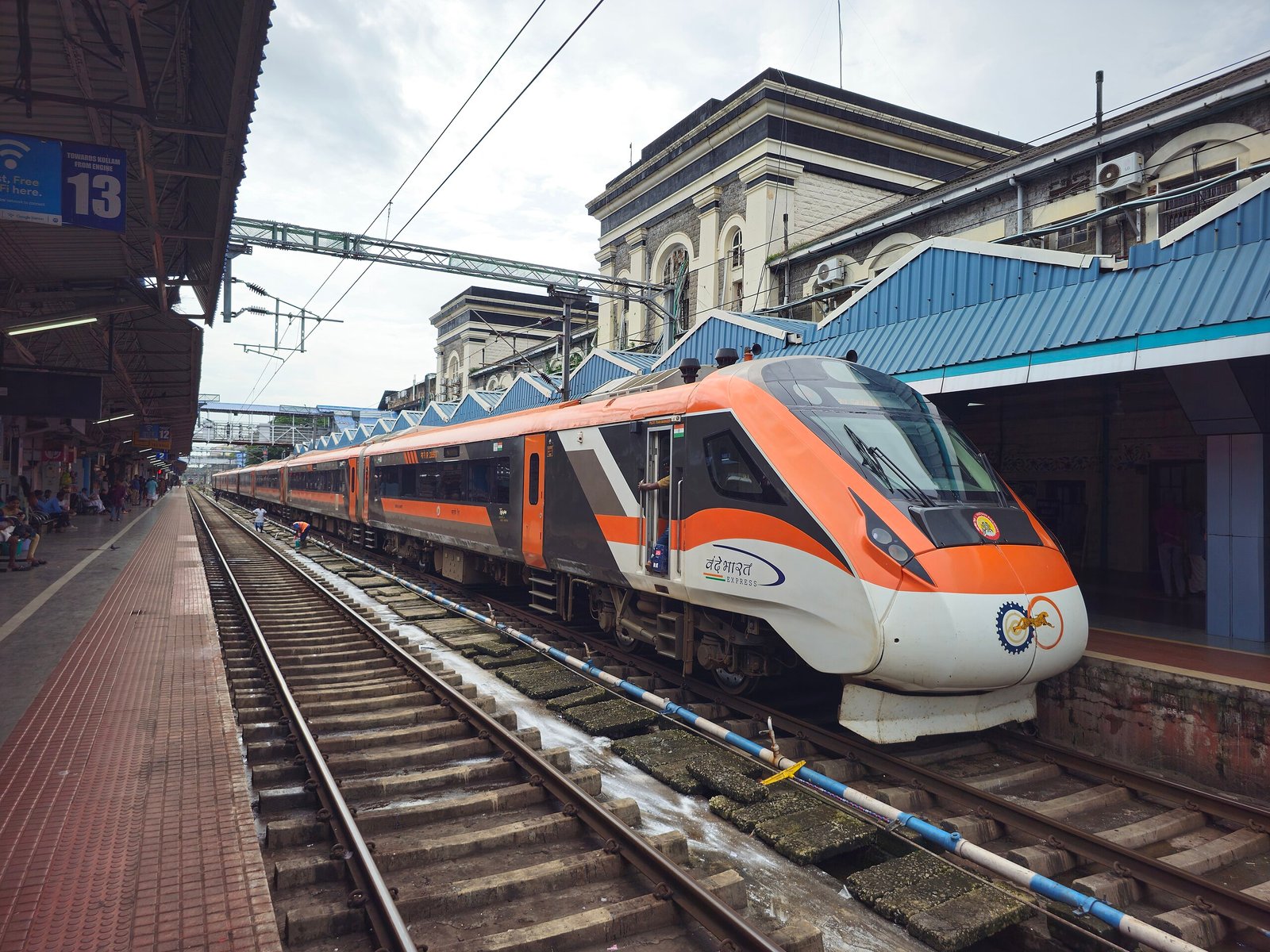
For example, modern trains like Vande Bharat Express still operate at a significantly lower cost per kilometre than high-speed trains in countries such as Japan, France, or China.
This ensures that railway travel remains accessible for millions of passengers across India.
FAQs: Indian Railways Fare Hike 2026
What is the Indian Railways Fare Hike 2026?
The Indian Railways Fare Hike 2026 refers to the revision in passenger train fares that became effective from 26 December 2025 for newly booked tickets.
How much have train ticket prices increased?
Ticket prices have increased by 1 paisa per kilometre in ordinary class beyond 215 km and 2 paisa per kilometre for sleeper and AC classes.
Are previously booked train tickets affected?
No. Tickets booked before the fare revision date continue to be charged at the old fare.
Are suburban train fares increased?
No. Suburban train services and monthly season tickets remain unchanged.
Will Tatkal charges increase after the fare hike?
No. Tatkal charges, reservation fees, and other railway service charges remain unchanged.
Why did Indian Railways increase fares?
The government increased fares slightly to manage operational costs, maintain railway infrastructure, and improve services.
How much extra will passengers pay on average?
Most passengers will pay ₹5 to ₹30 extra depending on distance and travel class.
Conclusion
The Indian Railways Fare Hike 2026 introduces only a marginal increase in passenger fares while keeping train travel affordable for millions of people across India. Short-distance travellers and suburban commuters remain unaffected, while long-distance passengers will see only a small change in ticket prices.
With continued investments in infrastructure, modern trains, and improved passenger services, Indian Railways aims to maintain its position as one of the largest and most accessible railway networks in the world.